ما هو MEV وكيف يؤثر على المتداولين؟

Last Updated: ٢٢ يونيو ٢٠٢٦
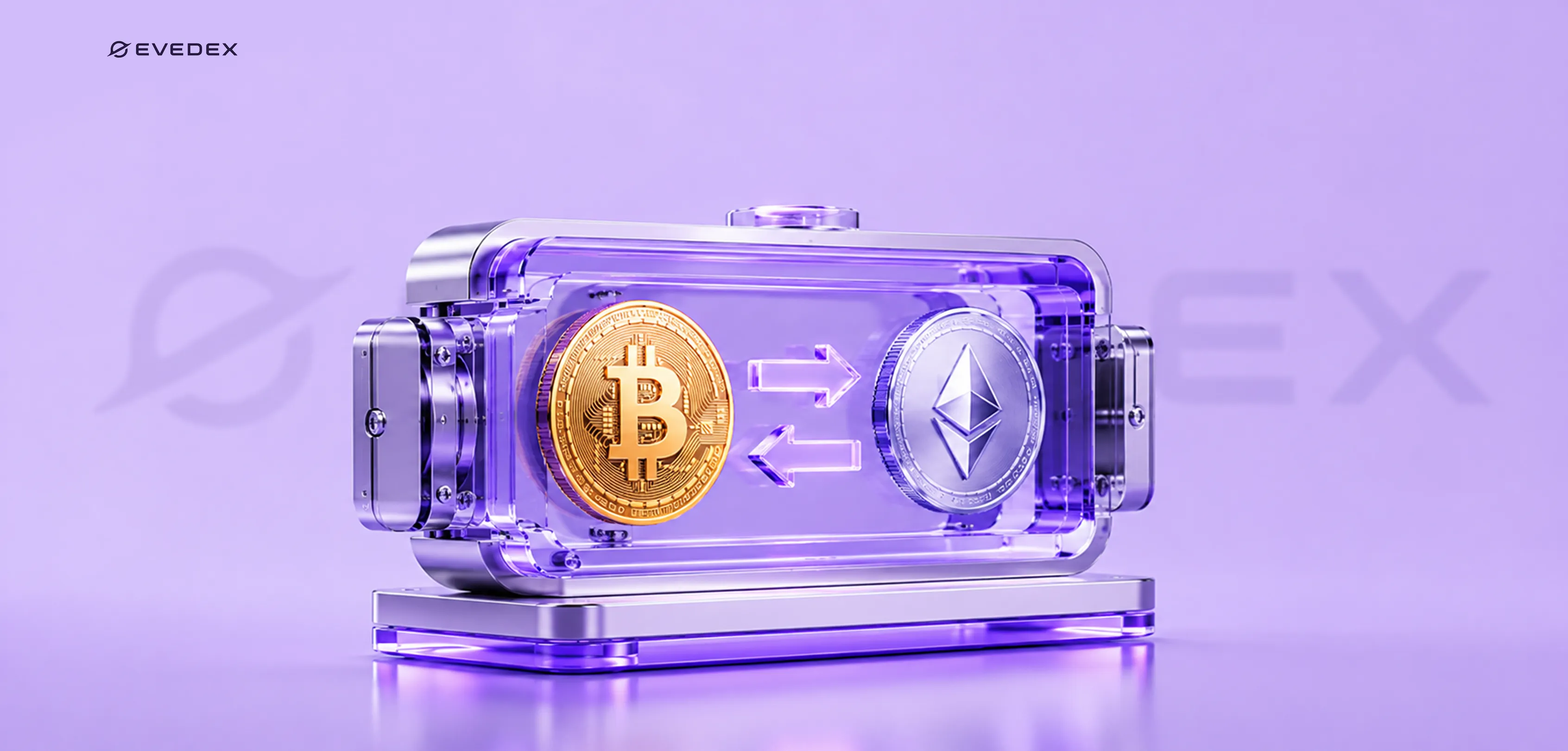
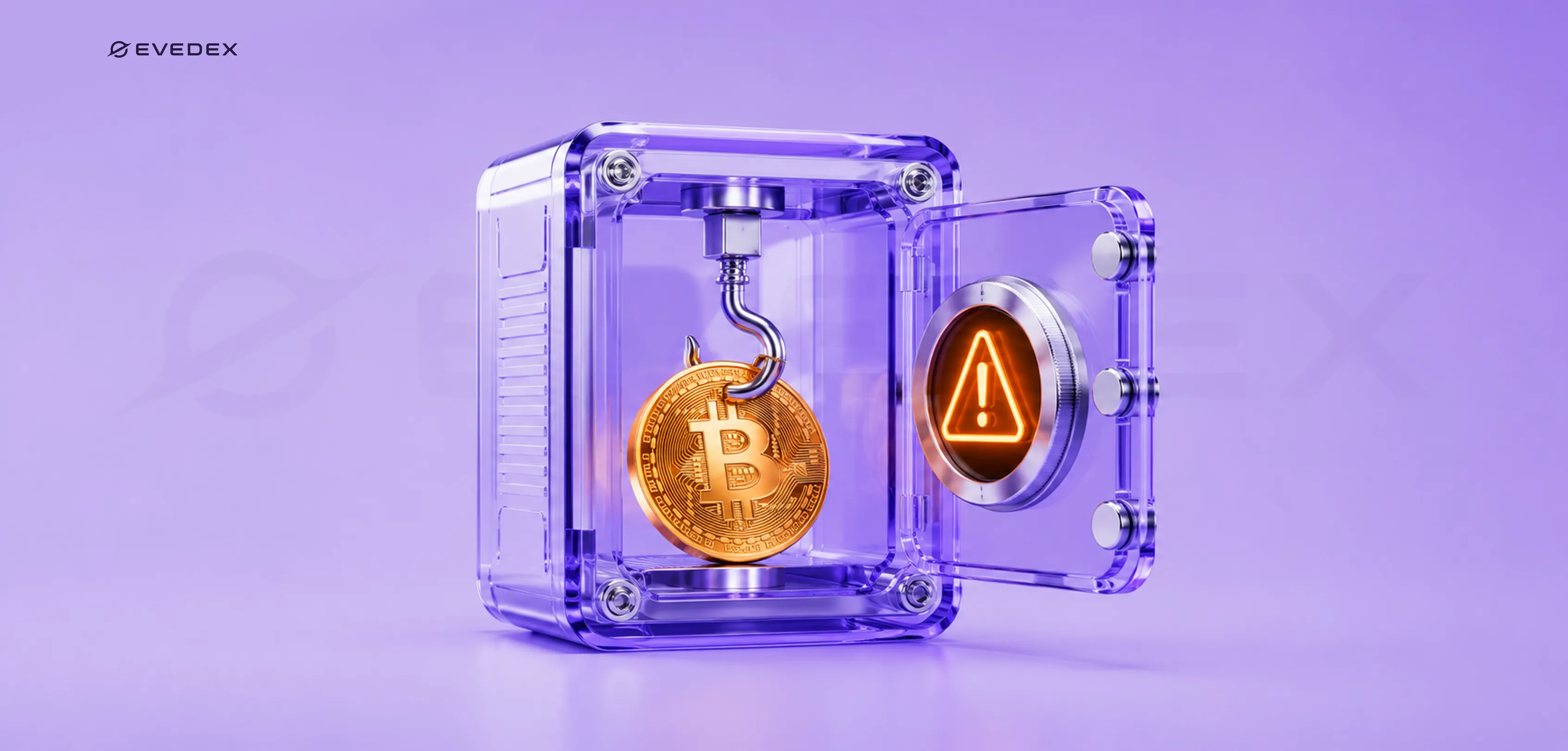
إذا سبق لك أن قدمت عملية مبادلة (swap) على بورصة لامركزية ولاحظت أن السعر المنفذ كان أسوأ بشكل ملحوظ من السعر المعروض — حتى مع هامش تحمل انزلاق سعري معقول — فمن المرجح أن يكون السبب هو القيمة القصوى القابلة للاستخراج (MEV). يصف مصطلح MEV الربح الإضافي الذي يمكن أن يحصل عليه المدققون أو المعدّنون أو الروبوتات المتطورة من عملية إنتاج الكتل من خلال التلاعب بترتيب إدراج المعاملات في الكتلة. وهي سمة هيكلية في سلاسل الكتل العامة، وليست خللاً، وفهمها ضروري لكل من يمارس التداول الفوري أو التداول بالرافعة المالية في البيئات اللامركزية.
ما هو MEV في الواقع
تصل كل معاملة ترسلها إلى شبكة سلسلة الكتل أولاً إلى قائمة انتظار مرئية للعامة تُسمى حوض الذاكرة (mempool). يختار المدققون المعاملات التي سيتم تضمينها في الكتلة التالية وترتيبها. وبسبب امتلاكهم لهذه الصلاحية، يمكنهم — أو يمكن للروبوتات التي تدفع رسوم غاز أعلى للتأثير على الترتيب — إعادة ترتيب المعاملات لصالحهم.
صيغ هذا المصطلح لأول مرة في ورقة بحثية عام 2019 باسم "القيمة القابلة للاستخراج من قبل المعدّنين" (Miner Extractable Value)، ثم تم توسيعه لاحقًا ليصبح "القيمة القصوى القابلة للاستخراج" (Maximal Extractable Value) بعد تحول Ethereum إلى آلية إثبات الحصة (proof-of-stake)، حيث يحل المدققون محل المعدّنين. وينطبق هذا المفهوم على أي سلسلة كتل لا يكون فيها ترتيب المعاملات عشوائيًا تمامًا ويكون فيها حوض الذاكرة قابلاً للقراءة من قبل العامة.
ليست ظاهرة MEV ضارة دائمًا. فبعض أشكالها، مثل المراجحة (arbitrage) التي تعيد مواءمة الأسعار بين المجمعات، تحسّن من كفاءة السوق بشكل عام. بينما تلحق أشكال أخرى، مثل استباق تداولات المتداولين الأفراد (front-running)، ضررًا مباشرًا بالمستخدمين الأفراد.
الأنواع الرئيسية لهجمات MEV
إن فهم الاستراتيجيات المحددة التي تستخدمها الروبوتات يساعدك على إدراك متى تكون معرضًا للخطر.
| نوع الهجوم | كيف يعمل | من يتضرر |
|---|---|---|
| الاستباق (Front-running) | ينسخ الروبوت صفقتك ويقدمها أولاً برسوم غاز أعلى | يحصل المتداول الفردي على سعر تنفيذ أسوأ |
| هجوم الشطيرة (Sandwich attack) | يشتري الروبوت قبل صفقتك ويبيع بعدها، مستحوذًا على الفارق الذي تسببت في خلقه | يدفع المتداول الفردي أكثر ويحصل على أقل |
| التداول اللاحق (Back-running) | ينفذ الروبوت صفقة فور حدوث معاملة كبيرة معروفة | ضرر مباشر ضئيل؛ يستحوذ على ربح المراجحة |
| استهداف التصفية (Liquidation sniping) | يطلق الروبوت عمليات التصفية أو يتسابق لتنفيذها للحصول على المكافأة | يخسر المقترضون ضماناتهم بشكل أسرع |
أكثر الهجمات ضررًا بالنسبة للمستخدمين العاديين هو هجوم الشطيرة. لنفترض أنك قدمت عملية مبادلة لمبلغ كبير من ETH إلى USDC على بورصة لامركزية (DEX)، بهامش تحمل انزلاق سعري 1%. يرى الروبوت هذه المعاملة في حوض الذاكرة، فيشتري ETH أولاً (مما يرفع السعر)، ثم يترك معاملتك تُنفذ بالسعر الأسوأ الآن، ثم يبيع ETH فورًا مرة أخرى — مكملاً بذلك "الشطيرة" ومحققًا الفرق كربح. وهكذا يتحول هامش تحمل الانزلاق السعري البالغ 1% فعليًا إلى رسوم بنسبة 1% تُدفع للروبوت.
كيف تؤثر MEV على تكاليفك واستراتيجيتك
تمثل MEV ضريبة خفية على التداول اللامركزي. وقد أظهرت أبحاث العديد من شركات تحليلات سلسلة الكتل باستمرار أن استخراج MEV يكلف المستخدمين الأفراد عشرات إلى مئات الملايين من الدولارات سنويًا عبر الشبكات الرئيسية مثل Ethereum وBNB Chain.
بالنسبة للمتداولين النشطين، تشمل العواقب العملية ما يلي:
- تضخم تأثير السعر — يتدهور سعر التنفيذ الفعلي إلى ما هو أسوأ مما توحي به عمق المجمع وحده.
- فشل المعاملات — يمكن أن تتسبب حروب رسوم الغاز التي تثيرها الروبوتات في فشل معاملتك إذا تحرك السعر خارج نطاق تحمل الانزلاق السعري الخاص بك، مع استمرار دفعك لرسوم الغاز رغم ذلك.
- تكاليف غير متوقعة — على عكس رسوم البورصة الثابتة والشفافة، فإن خسائر MEV متغيرة ويصعب توقعها مسبقًا.
- تضخيم مخاطر التصفية — في المراكز ذات الرافعة المالية على بروتوكولات DeFi، تراقب روبوتات MEV بنشاط المراكز القريبة من عتبات التصفية، ويمكنها إطلاق سلسلة من عمليات التصفية المتتالية بسرعة أكبر من التحديث الطبيعي للمصدر (oracle).
بالنسبة لمتداولي العقود الآجلة للعملات المشفرة الذين يستخدمون بروتوكولات دائمة على السلسلة، يصبح هذا الأمر أكثر أهمية لأن MEV يمكن أن تؤثر على تسعير الدخول والخروج على حد سواء، بالإضافة إلى سرعة أحداث التصفية.
كيف تتعامل EVEDEX مع مخاطر MEV
صُممت EVEDEX مع أخذ حقائق MEV بعين الاعتبار. وباعتبارها بورصة عملات مشفرة لامركزية مبنية للتداول الاحترافي، تستخدم EVEDEX محرك مطابقة أوامر خارج السلسلة (off-chain) مقترنًا بتسوية على السلسلة (on-chain). تعني هذه البنية الهجينة أن أوامرك لا تبقى في حوض ذاكرة عام في انتظار استباقها — بل تتم مطابقتها بشكل خاص قبل نشر التسوية على السلسلة.
يقلل هذا النهج بشكل كبير من التعرض لهجمات الشطيرة التقليدية والاستباق، لأن ترتيب المعاملات الذي يخلق فرص MEV لا يحدث أبدًا في حوض الذاكرة العام بالطريقة التي يحدث بها في بورصات DEX التقليدية القائمة على صانع السوق الآلي (AMM). ويستفيد المتداولون من مطابقة أوامر سريعة وحتمية دون التضحية بضمانات الحفظ الذاتي التي توفرها التسوية اللامركزية. سواء كنت تضع أمر تداول فوري أو تستخدم الرافعة المالية، فإن نموذج التنفيذ مصمم لتوفير السعر الذي تراه دون الانزلاق السعري الخفي الذي تفرضه روبوتات MEV على البروتوكولات ذات حوض الذاكرة المفتوح.
خطوات عملية لتقليل التعرض لـ MEV
حتى مع وجود بنية تحتية محسّنة، يستحق الأمر الحفاظ على عادات جيدة عند التداول في أي بيئة على السلسلة:
- استخدم نقاط نهاية RPC للحماية من MEV مثل Flashbots Protect أو MEV Blocker عند إرسال المعاملات مباشرة إلى السلاسل العامة. فهذه توجه معاملتك بشكل خاص، متجاوزة حوض الذاكرة العام.
- اضبط هوامش تحمل انزلاق سعري ضيقة — فكلما اتسع هامش التحمل الخاص بك، كبرت الفرصة المتاحة للروبوت لاستغلالها.
- قسّم الأوامر الكبيرة إلى شرائح أصغر لتقليل فرصة الربح الظاهرة للروبوتات.
- تجنب فترات ذروة ازدحام حوض الذاكرة عندما ترتفع أسعار الغاز ويشتد نشاط الروبوتات.
- فضّل أوامر الحد (limit orders) على أوامر السوق (market orders) كلما أمكن ذلك، فأوامر الحد تمنحك يقينًا بشأن السعر بدلاً من قبول أي سعر يقدمه السوق عند التنفيذ.
تُعد MEV جزءًا لا مفر منه من طريقة عمل سلاسل الكتل العامة، لكن المتداولين المطلعين الذين يفهمون آلياتها يمكنهم اتخاذ خطوات ملموسة لتقليل تأثيرها على نتائجهم.