

Coin Stock: What It Means and Why It Matters in 2026

Last Updated: August 3, 2026
Coin stock has emerged as a bridge for investors who want crypto market exposure without holding digital assets directly. Instead of buying Bitcoin or Ethereum, you purchase shares in companies that mine, trade, or build infrastructure around these currencies. The term covers mining firms, blockchain technology developers, crypto exchanges, and payment processors whose revenue depends on digital asset activity. This approach lets you tap into the cryptocurrency sector through familiar brokerage accounts and established equity structures.
The appeal is straightforward: you avoid managing private keys, navigating unfamiliar exchanges, or worrying about wallet security. But coin stock introduces its own complexity—company fundamentals, earnings reports, traditional market correlations, and regulatory pressures that don't affect direct crypto holdings. A mining company's stock might surge when Bitcoin climbs, yet tank if energy costs spike or hash rates shift. An exchange operator's shares can thrive during bull runs but collapse faster than the coins themselves when volumes dry up. Understanding crypto trading strategies and exchange platform features helps you evaluate whether these equity wrappers add value or just add risk.
By the end of this piece, you'll know how coin stocks behave, where they fit in a diversified portfolio, and what to check before buying shares in crypto-linked companies.
Platform and Stock Comparison
| Type | Access | Volatility | Regulation |
|---|---|---|---|
| Mining stocks | Trade on NYSE, NASDAQ via any brokerage account with standard settlement | Amplifies Bitcoin moves; adds company-specific operational and energy cost risk | Full SEC disclosure, quarterly earnings, traditional equity oversight and audit requirements |
| Exchange equities | Listed on major bourses; accessible through retail and institutional brokerage platforms | Tracks trading volume and crypto sentiment; earnings surprises create sharp swings | Subject to securities law, FinCEN AML rules, and multi-jurisdiction licensing for crypto operations |
| Direct crypto | Requires wallet setup, exchange KYC, and self-custody knowledge or third-party custodian trust | Pure price action; no dilution, but no earnings buffer or dividend potential either | Varies by jurisdiction; often lighter touch than equities but tax reporting complexity is higher |
How coin stocks derive value from digital assets
Coin stock performance hinges on two layers: the underlying cryptocurrency market and the company's ability to extract revenue from it. A mining firm's earnings depend on coin prices, block rewards, electricity costs, and hardware efficiency. When Bitcoin rallies, miners see higher revenue per coin mined, often sending stock prices up faster than Bitcoin itself. But if the next halving cuts block rewards or energy prices spike, margins compress and shares can fall even as coin prices hold steady. You're not just betting on crypto—you're betting on a specific company's operational leverage.
Exchange stocks follow a different pattern. Revenue comes from trading fees, which surge during volatility and vanish in quiet markets. A prolonged bear market can slash volumes by 70%, gutting earnings and dragging stock prices down harder than the coins themselves. According to SEC filings, several publicly traded crypto platforms saw revenue drop 60–80% from 2021 peaks to 2023 lows, illustrating how equity exposure magnifies both sides of the cycle. Understanding market liquidity trends helps you gauge when exchange stocks might outperform or lag direct crypto holdings.
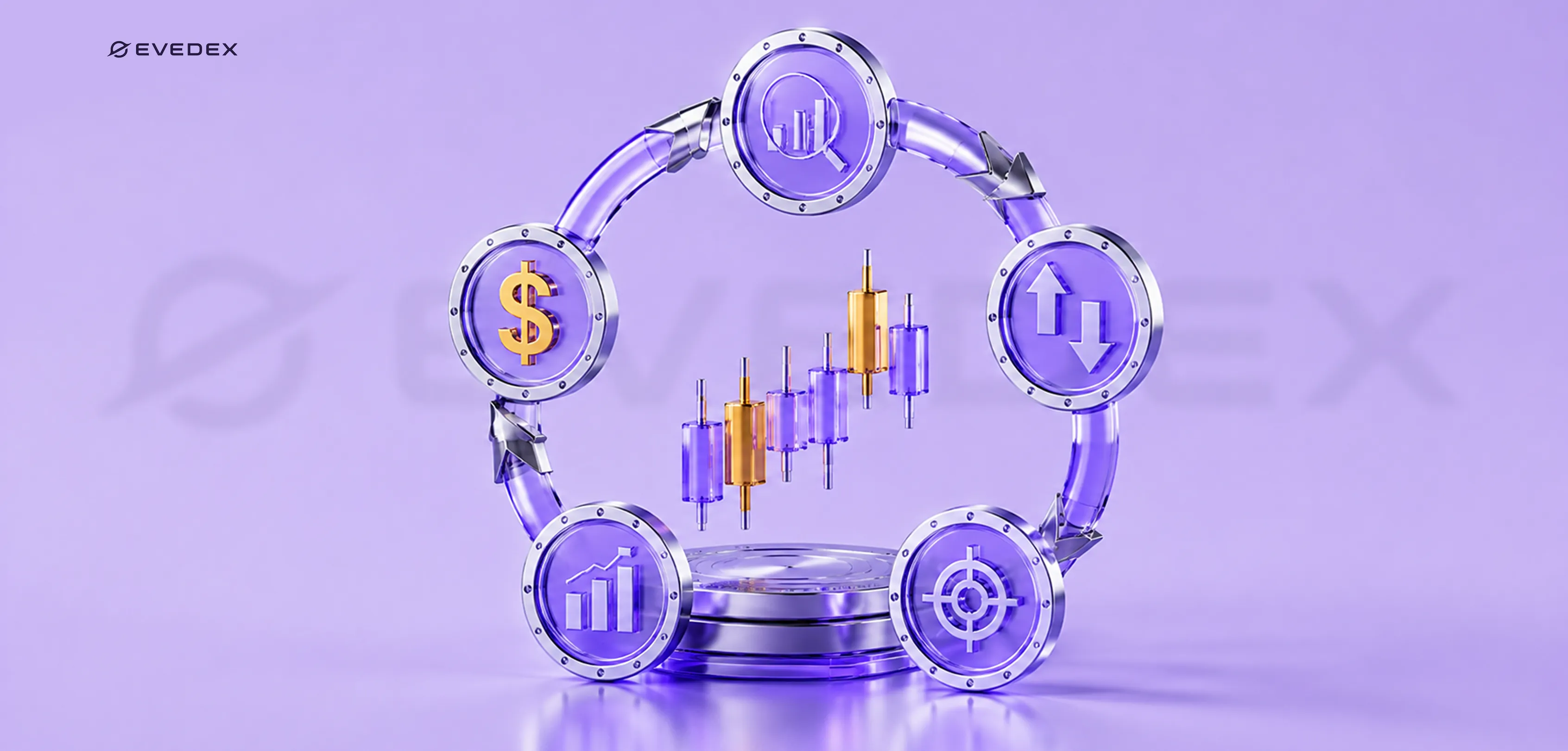
Six factors that move coin stock prices
Before you buy shares in a crypto-linked company, check these six drivers that separate winners from laggards.
- Hash rate position Mining stocks live or die by their share of network computing power and cost per terahash. A company with outdated rigs loses ground fast when difficulty adjusts.
- Revenue diversification Pure-play miners face existential risk in downturns. Firms that add staking, lending, or infrastructure services smooth earnings and trade at lower volatility.
- Balance sheet strength Crypto companies that over-leveraged in bull markets filed for bankruptcy when prices reversed. Cash reserves and debt levels matter more here than in stable sectors.
- Regulatory exposure A single enforcement action or license denial can erase half a stock's value overnight. Geographic diversification and proactive compliance reduce this tail risk.
- Institutional adoption signals When pension funds or ETFs start buying a coin stock, liquidity improves and volatility often drops. Track 13F filings to spot early institutional accumulation.
- Energy cost structure Mining profitability swings wildly with electricity prices. Companies locked into long-term renewable contracts outperform those exposed to spot energy markets during price spikes.
Coin stocks also correlate with broader equity markets more than pure crypto does. A NASDAQ selloff can drag down exchange stocks even if Bitcoin is flat, adding macro timing complexity you don't face holding coins directly. Conversely, a company beating earnings can lift its stock while the crypto market stumbles, offering diversification benefits that portfolio strategies can exploit.
The image above shows how stock charts blend traditional candlestick patterns with crypto-specific catalysts—halvings, regulatory announcements, hash rate shifts—creating a hybrid technical analysis challenge. You need both equity and crypto fluency to read these charts effectively.
Why EVEDEX simplifies coin stock evaluation
EVEDEX is a crypto exchange that also surfaces real-time data on publicly traded blockchain companies, letting you compare direct coin holdings against equity exposure side by side. The platform pulls in market cap, P/E ratios, hash rate metrics, and trading volume for major coin stocks, so you can spot when a mining firm is trading cheap relative to its Bitcoin production or when an exchange stock's fee revenue justifies its valuation. Integrated charting overlays company fundamentals with coin price action, making it easier to decide whether to buy shares, coins, or both. One unified dashboard replaces jumping between a brokerage app and a crypto tracker, cutting research time and helping you catch arbitrage opportunities when stock premiums or discounts widen beyond historical norms.



