Decentralized Trading Platform: How Peer-to-Peer Crypto Exchange Works

Last Updated: August 5, 2026
A decentralized trading platform lets you trade cryptocurrencies directly from your wallet without handing control to a third party. Unlike centralized exchanges that hold your private keys and act as custodians, a DEX platform uses smart contracts to match orders and settle trades on-chain. This structure eliminates the risk of exchange hacks, frozen accounts, and opaque fee structures that plague centralized platforms. If you've used Uniswap, PancakeSwap, or any dex crypto exchange, you've already experienced peer-to-peer trading powered by automated market makers (AMMs). The shift to decentralized platforms isn't just philosophical — it's practical. You retain custody, trade 24/7 without approval delays, and access decentralized cryptocurrency exchanges that list tokens minutes after launch. This guide explains how decentralized trading works, what separates secure dex exchange crypto options from risky ones, and when choosing a dex trading platform makes more sense than a centralized account. By the end, you'll know how to evaluate liquidity, assess smart contract risk, and decide whether trade on dex infrastructure fits your portfolio strategy. Start by exploring perpetual futures contracts for advanced leverage options, or review crypto exchange fees to compare decentralized versus centralized cost structures.
Key Features of Leading DEX Platforms
| Platform | Blockchain | Model | Strengths |
|---|---|---|---|
| Uniswap | Ethereum, Polygon, Arbitrum, Optimism, Base, BNB Chain | Automated market maker with concentrated liquidity pools and multi-chain routing | Deepest liquidity for ERC-20 tokens, established security audits, supports limit orders via Uniswap X |
| PancakeSwap | BNB Chain, Ethereum, Aptos | AMM with yield farming, lottery, and NFT marketplace integrated into the interface | Low transaction fees on BNB Chain, high-volume pairs for stablecoins, gamified staking incentives |
| dYdX | Ethereum (Layer 2), dYdX Chain (app-specific blockchain) | Order book-based perpetual futures exchange with off-chain matching and on-chain settlement | Professional derivatives trading, up to 20× leverage, advanced charting tools, no gas fees on dYdX Chain |
How Smart Contracts Replace Centralized Order Books
When you submit a trade on a decentralized cryptocurrency exchange, a smart contract executes the swap without human intervention. Most DEXs use AMMs, which price assets based on liquidity pool ratios rather than buyer-seller matching. You trade against the pool, not another user. The pool adjusts prices algorithmically using formulas like x × y = k (constant product), so large trades shift the price more than small ones — this is slippage. Order book DEXs like dYdX work differently: they match your order with another trader's, similar to centralized exchanges, but settlement happens on-chain. Smart contracts also manage liquidity provider (LP) rewards, automatically distributing trading fees to users who deposit token pairs into pools. This design removes the need for a company to custody funds, but it introduces new risks. If a contract has a bug or the development team deploys malicious code, funds can be drained. Audits from firms like Trail of Bits and Certik reduce but don't eliminate this risk. The Commodity Futures Trading Commission has issued guidance on decentralized derivatives platforms, clarifying that some DEXs may fall under U.S. jurisdiction despite lacking a central operator.
Six Factors That Separate Safe DEXs from Risky Ones
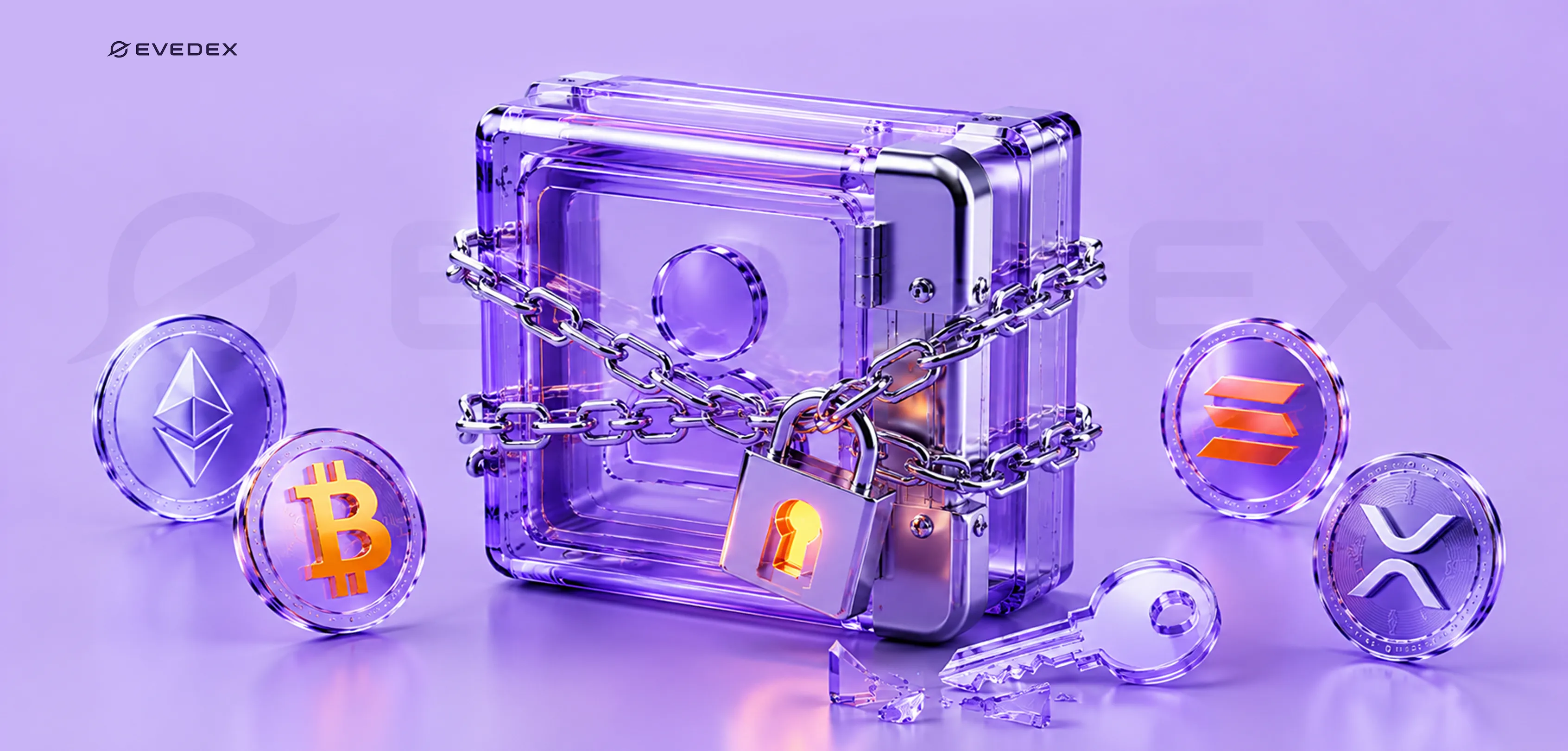
Choosing a secure decentralized exchanges (dex) platform requires more due diligence than opening a Coinbase account.
- Audit history A reputable DEX publishes third-party security audits and bug bounty results. Check if the protocol has survived real-world attacks or quickly patched vulnerabilities.
- Liquidity depth Low liquidity causes high slippage and price manipulation. Pools with over $10 million TVL (total value locked) for major pairs reduce execution risk.
- Contract upgrade mechanism Some DEXs use immutable contracts (can't be changed), while others allow developer upgrades via multi-signature wallets or governance votes. Immutable contracts eliminate admin risk but can't fix bugs.
- Fee transparency Understand the breakdown: network gas fees (paid to miners), LP fees (0.3% is standard on Uniswap), and protocol fees (revenue for the DEX team). Hidden fees drain returns.
- Wallet compatibility The platform should support hardware wallets like Ledger and Trezor, not just browser extensions. Hardware wallet integration protects private keys from malware.
- Governance token distribution If a small group holds most governance tokens, they can push through changes that benefit insiders. Check token distribution on Etherscan or the relevant block explorer.
Prioritize platforms with transparent teams, active GitHub repositories, and community governance. Anonymous developers aren't inherently bad, but they make accountability harder. If a DEX promises "zero fees" or "guaranteed returns," it's likely a scam — decentralized infrastructure has real costs, and no one can guarantee profit in volatile markets. Cross-reference user reviews on forums like Reddit's r/CryptoCurrency and check if the protocol has been exploited in the past. A history of clean audits and no major hacks is the strongest signal of safety.
EVEDEX: Transparent Hybrid Futures Trading
EVEDEX operates as a hybrid perpetual futures exchange built for users who want leverage without surrendering wallet control. The interface supports perpetual futures contracts across major crypto pairs, with leverage up to 200x on BTC-USD, ETH-USD and SOL-USD for positions up to $50,000 notional (lower caps on other pairs), settled on-chain on Arbitrum. Unlike centralized margin platforms, EVEDEX doesn't require identity verification or withdrawal approval — you connect a Web3 wallet, deposit USDT as margin, and open positions directly. Orders are matched off-chain in an order book rather than through AMM pools, so limit orders execute at your specified price when matched. This reduces slippage on large trades compared to Uniswap-style swaps. Liquidation prices are shown transparently in the interface, and funding is calculated every eight hours and charged hourly. You can trade BTC-USD or ETH perpetual contracts while your margin sits on your personal smart account until a position closes.